Refill Smarter at Home: Pour, Mark, and Store with Confidence
Today we dive into safe decanting, labeling, and storage practices for at-home refills, turning everyday routines into calm, repeatable habits. Learn how to choose compatible containers, avoid cross-contamination, write durable labels, and organize cupboards so everyone stays informed, protected, and empowered. Bring your questions and share your own wins and warnings.

Choosing Containers That Play Nicely

Match the product with its container material to avoid leaching, corrosion, and cracked lids. Many household cleaners prefer HDPE or polypropylene; oils and fragrances love glass with tight silicone gaskets. Avoid reused metal for corrosive products, and keep food-safe vessels exclusively for edibles to prevent accidental chemical ingestion.

Set the Stage Before a Single Drop Moves

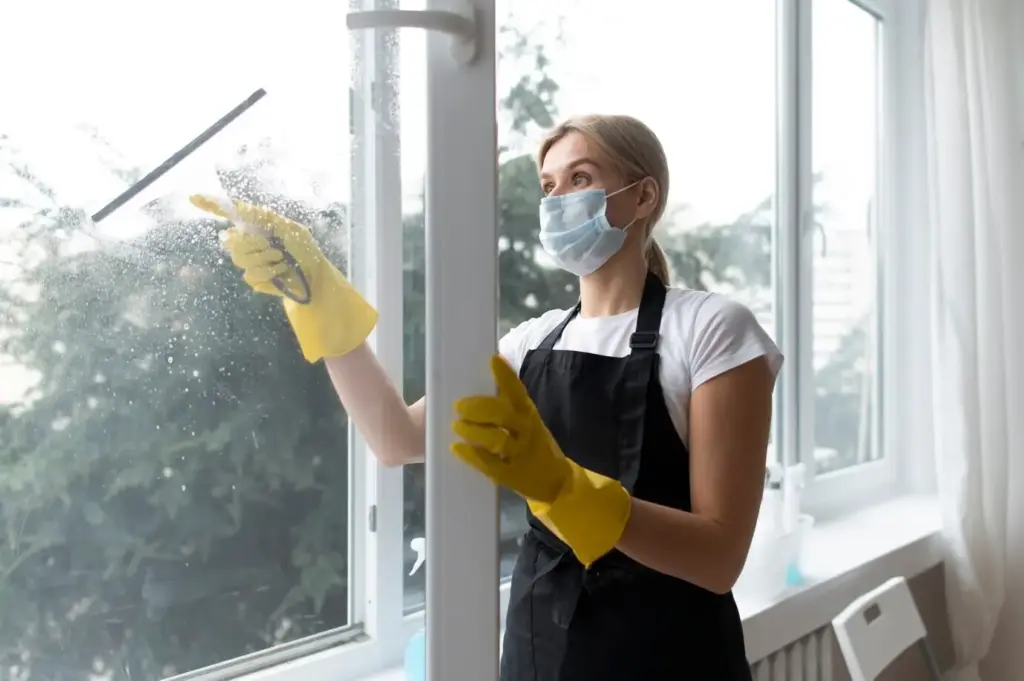
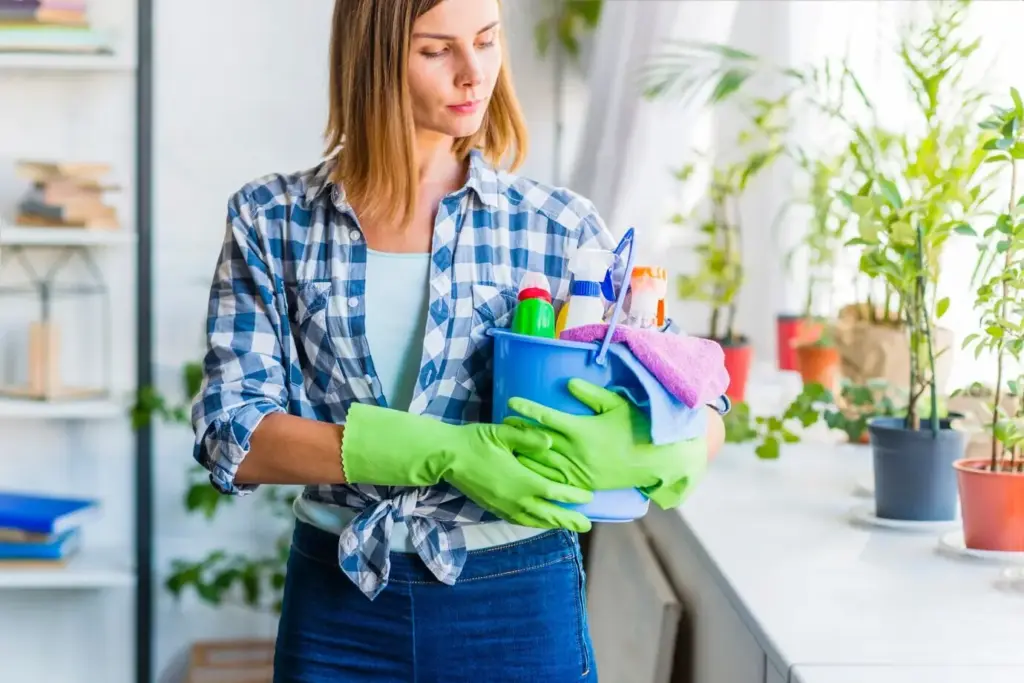
Lay down a washable mat, secure pets and curious helpers elsewhere, and gather funnels, measuring spoons, and a microfiber towel. Pre-label the destination bottle, including product name and date, before you pour. Gloves and eye protection add calm assurance when unfamiliar scents, splashes, or concentrated formulas surprise your hands.

Labels That Speak Clearly When You’re Distracted

Clarity outlives memory, so write as if a future, hurried version of you will read it. Use waterproof ink, legible contrast, and dates you can actually decipher months later. Include safety notes, dilution details, and usage areas to prevent mix-ups during busy mornings, shared kitchens, or tired late nights.

What to Write So Nobody Guesses

Spell out the product name, active strength, date filled, and original source brand or batch, so tracing issues stays straightforward. Add storage temperature needs, child warnings, and first-aid basics. If fragranced, note allergens like limonene or linalool to help sensitive family members avoid reactions they did not anticipate.

Ink, Adhesive, and Surfaces That Survive the Sink

Choose waterproof labels, oil-resistant pens, and smooth, degreased bottle surfaces before applying. Round edges resist peeling. Clear tape over the label adds splash protection without smearing. For steamy bathrooms or sink caddies, consider shrink bands, tag collars, or hanging cards that remain readable when soap meets running water.

Color, Pattern, and Touch for Fast Recognition

Use consistent color bands, dotted patterns, or textured grips to help sleepy hands grab the right bottle instantly. Pair colors with symbols for color-blind accessibility. Raised stickers or rubber bands provide tactile confirmation in the dark, reducing fumbles, spills, and mistaken sprays when multitasking complicates routine chores.

Store It Like You’ll Need It Tomorrow, and Safely Next Year

Protect potency and people by controlling light, heat, and access. Choose cool, dry cabinetry away from appliances and sunlight. Keep incompatible products separated, and never store edibles with cleaners. Practice first-in, first-out rotation, logging refill dates, so you catch stale stock before odd smells, discoloration, or reduced performance appear.

Temperature, Light, and Shelf Life Fundamentals

High temperatures accelerate degradation and pressure, while light can fade dyes and weaken actives. Read manufacturer guidance, observe any haze or separation, and retire questionable batches. Amber glass, opaque HDPE, and shaded cupboards defend stability, preserving fragrances, surfactants, and enzymes so your refill performs reliably through its intended lifespan.

Child, Pet, and Roommate Proofing That Actually Works

Install latching cabinets, store sprays above shoulder height, and use caps with working child-resistant features. Teach housemates the labeling system and share a simple rule: unknown equals do not use. Keep veterinary and poison control numbers on the door, because fast access turns close calls into manageable learning moments.

Segregation Prevents Dangerous Mix-Ups

Household chemicals may react disastrously when combined, so isolate chlorine bleaches from ammonia, acids, and vinegar. Separate solvents and flammables from heat sources and ignition points. Place foods, soaps, and skincare on distinct shelves to avoid confusion, contamination, and accidental ingestion during rushed cleaning or drowsy late-night tidying.
Clean Tools, Clean Results: Beating Cross‑Contamination

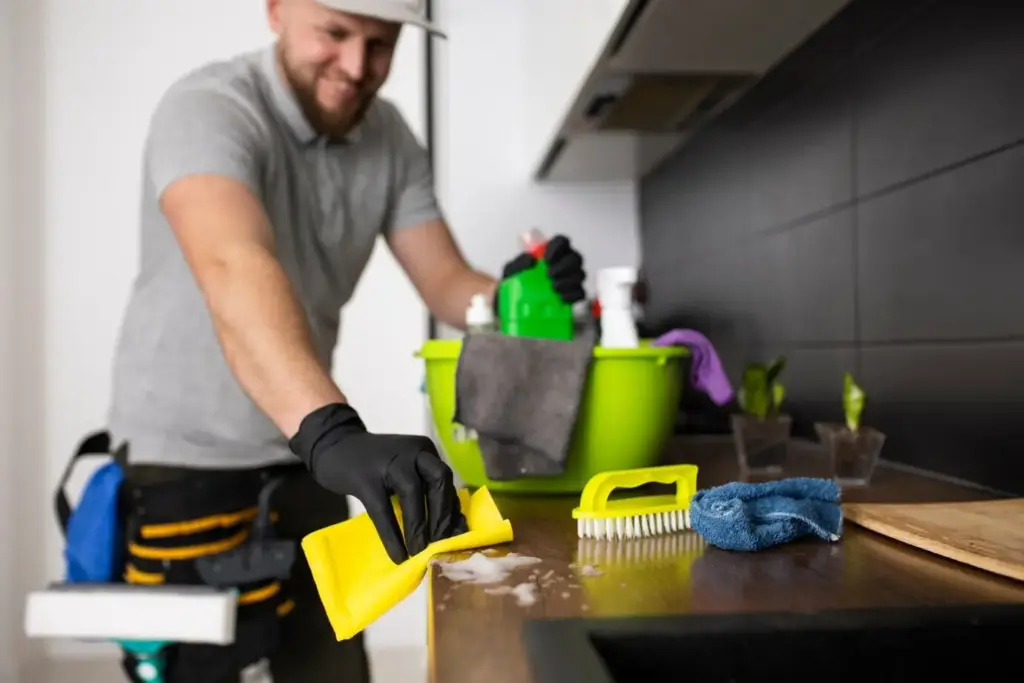
Residues hide in pumps, sprayers, and caps, quietly sabotaging performance. Dedicate tools to product types, rinse thoroughly between refills, and let everything dry fully before capping. A quick smell check and a white-cloth wipe test reveal lingering traces, helping you protect fragrance balance, preserve enzymes, and maintain clarity.
Warm water and time dissolve suds better than frantic shaking. Use multiple short rinses rather than one dramatic flood, and drain inverted on a clean rack. For oil-based products, a compatible solvent rinse followed by soap ensures fresh refills do not inherit stale notes or cloudy, stubborn films.
Keep a funnel for laundry, another for dishes, and a third for skincare, so residues never wander. Color-coded caps and tiny dot stickers reinforce the boundary. Store tools in breathable bags, labeled by use, preventing dust, moisture, and mysterious odors from undermining your carefully organized, satisfying refill ritual.

Sustainable Habits That Don’t Compromise Safety

Reusables shine when they are chosen thoughtfully and retired responsibly. Inspect bottles for stress whitening, cracks, or warped threads, and recycle before failure. Transport refills upright in sealed totes. Support local refill stations while asking about sourcing, batch dates, and cleaning practices to align your values with dependable, safe results.

Prepared for Spills, Surprises, and Teachable Moments

Rolazukotoxaxomuki
Privacy Overview

This website uses cookies so that we can provide you with the best user experience possible. Cookie information is stored in your browser and performs functions such as recognising you when you return to our website and helping our team to understand which sections of the website you find most interesting and useful.