
Choose Refills That Work Harder, Waste Less

Today we dive into “Concentrated Tablets vs Bulk Liquids: Choosing the Best Refill Format for Household Cleaners,” turning a confusing decision into practical clarity. You’ll learn how dilution, dosing, and surface chemistry shape everyday results, and why packaging size matters less than what ends up on your counters. Expect science explained simply, candid pros and cons, and real experiences from busy homes. By the end, you’ll feel confident picking refills that match your routines, your storage space, and your values about cost, safety, and sustainability.

How Concentration Shapes Real-World Cleaning

Concentration, whether in dissolvable tablets or larger liquid containers, determines how much active cleaning chemistry actually touches grime. Understanding percentages, dilution ratios, and contact time helps avoid streaks, residue, and wasted product. We’ll translate label math into simple decisions you can trust, while steering clear of overconcentrated mixes that irritate skin or underdosed solutions that disappoint. Clear, repeatable steps mean your sprayer delivers consistent results across kitchen messes, fingerprints on glass, and muddy footprints on hard floors.

Footprint, Packaging, and Planet

Tablets travel light because water stays at home; bulk liquids leverage large formats to reduce plastic per use yet move heavy weight through supply chains. The greener choice depends on distance, material, and what you actually recycle. Consider refill pouches, recycled content, and concentrated shipping versus local refill stations. Real-world life cycle impacts hinge on behavior: over-dosing, frequent reorders, or driving across town for a single jug can erase benefits. Small tweaks in routines often matter more than perfect claims on marketing labels.

The Weight of Water on the Road

Moving water is costly in both fuel and emissions. Tablets shrink freight volume dramatically, cutting transport energy per clean. Large liquid formats still win in settings where consolidated deliveries replace many small parcels. Before deciding, consider your retailer’s logistics, delivery frequency, and where your orders originate geographically.

Plastic, Pouches, and Reusables

A sturdy reusable bottle lasts years; the question is what feeds it. Tablet wrappers are tiny, sometimes compostable or low-plastic; bulk jugs may be recyclable but rarely reused locally. Pouches can cut resin use dramatically if your municipality accepts them. Always check regional rules, not generic claims.

End-of-Life and Recycling Reality

Labels, caps, and residues complicate sorting, and a contaminated jug can be rejected. Rinse, dry, and flatten when possible. If community programs are limited, prioritize options that reduce material in the first place, like tablets or concentrated refill stations that share returnable containers.

Safety, Storage, and Household Practicalities
Child-Resistant Choices and Label Clarity

Look for closures that truly slow curious hands and labels with large, legible dilution instructions. Tablets often ship in small tins or pouches; secure them high, dry, and out of sight. Bulk containers deserve secondary containment trays if shelves flex or neighbors jostle items during apartment moves.

Spills, Leaks, and Breakage

A cracked cap can perfume an entire hallway, while a dropped tablet usually means just picking up and redosing. If you buy large jugs, check seams and caps before storage, and decant over a sink. Slow, careful movements prevent slippery floors and unpleasant cleanup marathons.

Space in Cupboards and Under Sinks

Apartments, RVs, and family homes all wrestle with tight corners. Tablets compress months of refills into a mug-sized container; bulk liquid demands more real estate but fewer reorders. Sketch your storage, measure shelves, and choose what avoids teetering towers and forgotten bottles hiding behind pipes.

Costs That Actually Matter

Price Per Use, Not Per Container

Do the math on the volume you actually make. If one tablet makes 500 milliliters and you clean weekly, a three-month sleeve may beat a discounted jug once fuel, time, and storage are considered. Track usage honestly for a month, then decide with confidence.

Subscriptions, Refills, and Local Options

Delivery plans reduce stockouts, but only if you pick the right cadence. Some neighborhoods offer zero-waste shops with concentrate taps, avoiding shipping entirely. Blend approaches: tablets for daily sprayers, a bulk jug for seasonal deep cleans. Build a plan around your calendar, not promotional emails.

Equipment You Already Own

A good sprayer bottle, clear measuring lines, and a funnel turn either format into effortless routine. Reuse sturdy containers, label them with dilution and date, and keep a small notepad nearby. Investing once in tools saves money and reduces annoyance for years.

Performance Across Surfaces and Soils

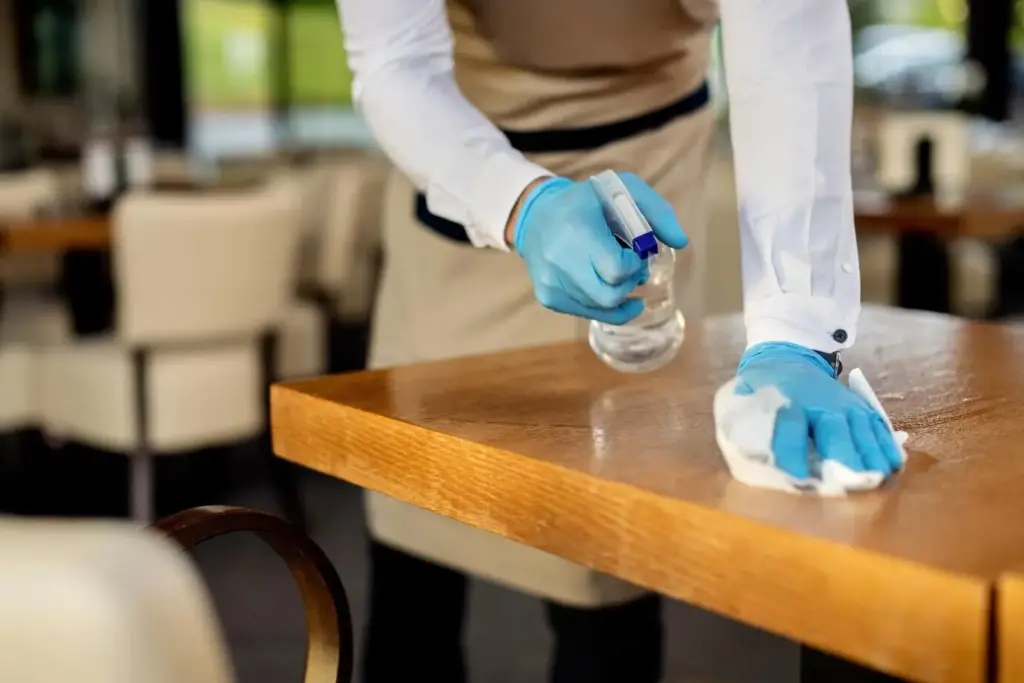
Not all dirt behaves equally. Grease, soap scum, and mineral deposits demand different chemistries, and both tablet and bulk options vary widely. Read product specifics for surfactants, enzymes, acids, or solvents appropriate to your surfaces. Avoid abrasive methods on delicate finishes. For disinfecting claims, follow contact-time instructions precisely and never assume a cleaner automatically sanitizes; regulations differ. Realistic expectations paired with correct dilution deliver a streak-free stove, a calm bathroom, and floors that dry quickly without sticky residue or chalky films.

Grease on Stovetops and Ovens

Cooking oils polymerize and cling, so alkaline cleaners and solid surfactant systems shine. A stronger dilution for pre-soak, then a standard spray for wipe-down, keeps effort low. Tablets make repeatability easy; bulk concentrates offer flexibility if you record ratios faithfully between weekend deep cleans.

Bathrooms, Biofilms, and Disinfectants

Soap scum pairs with minerals to trap microbes in slick films. Choose formulas built for bathrooms, respect ventilation, and follow waiting times if disinfection is promised. Never mix acids with bleach. Tablets can deliver steady potency per bottle; bulk options allow targeted strength when mildew appears.

Floors, Mops, and Residues

Large spaces reward concentrates that stretch far without leaving tackiness. Microfiber mops prefer low-suds solutions, so err toward proper dilution and wring thoroughly. Test on a hidden patch first, then scale. A small dose can spare hours correcting streaks across hallways and living rooms.
Bringing It All Together

Rolazukotoxaxomuki
Privacy Overview

This website uses cookies so that we can provide you with the best user experience possible. Cookie information is stored in your browser and performs functions such as recognising you when you return to our website and helping our team to understand which sections of the website you find most interesting and useful.